
“The flesh is the enclosed battlefield where divine grace and the wiles of the Evil One clash, demanding the armed vigilance of the Church.”
Inquisitional Chronicles and Confessional Manuals
Introduction
Under the grip of medieval ecclesiastical structures and inquisitional tribunals, sexuality was placed under meticulous surveillance. This seventh chapter explores how institutional dogma criminalized deviance, hunted down carnal heresy, and sought to shackle the body, all while confronting the underground resistances of the popular imagination.
1. Meticulous Surveillance and the Fear of the Evil One
Beginning in the Early Middle Ages and with the institutionalization of inquisitional courts, the body became the stake in an invisible war. The obsessional fear of the Demon was embodied in the flesh: every tremor of desire, every uncontrolled thought was interpreted as a breach through which infernal temptations entered. Through its preachers and inquisitors, the Church imposed a tight grid over individual consciences and private practices.
2. The Hunt for Carnal Heresies
Dogmatic control was not limited to repressing simple sins of the flesh (adultery, fornication); it hunted down theological and spiritual deviance through the accusation of « carnal heresy. »
Dualist Movements: Dissident groups (such as the Cathars or various mystical sects) were ruthlessly hunted down, sometimes for their radical asceticism rejecting matter, and sometimes on charges fabricated by the Inquisition attributing imaginary ritual orgies to them.
Witchcraft and the Satanic Pact: Sexual marginality (women living alone, midwives, healers) was criminalized. The myth of the Witches’ Sabbath was shaped, assimilating liberated female sexuality or natural contraception to direct carnal commerce with the devil.
3. The Shackled Body and Exemplary Punishment
Inquisitional repression was accompanied by a pedagogy of terror. The body that transgressed ecclesiastical prohibitions (homosexuality, bestiality, incest, heresy) was exposed to the supreme punishment, the stake, intended to purify through fire a bodily envelope deemed beyond redemption. The public space was thus transformed into a theater of punishment where the destruction of the flesh served as a permanent warning to the community of the faithful.
4. Underground Resistance: Laughter and Popular Subversion
Despite the implacable framework of monastic and inquisitional censorship, the medieval body was never entirely shackled. In the shadow of official dogma, a popular culture of subversion resisted:
Carnival and Laughter: As Mikhail Bakhtin highlighted, carnival celebrations temporarily inverted the established order. The lower bodily stratum (the belly, the excesses of food and wine, joyful and grotesque sexuality) triumphed over spiritual asceticism.
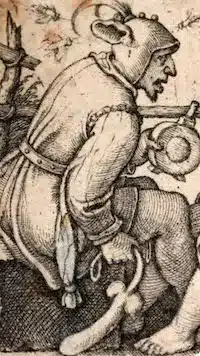

Romance Literature: Fabliaux, troubadour poetry, and courtly literature celebrated desire, outwitted the vigilance of jealous husbands, and bypassed clerical morality, keeping alive a space of freedom, sensuality, and contestation through wit.
Pourquoi aimons-nous lire des histoires érotiques intenses ?
Parce qu'elles permettent de vivre des émotions fortes en toute liberté, loin des règles du quotidien.