
“Beneath the veneer of bourgeois respectability and good manners lies the architecture of an implacable policing of bodies.”
Analyses of Decadence and Bourgeois Moralities
Introduction
The industrialized and triumphant 19th century redefined the control of intimacy through the prism of bourgeois respectability and moral hygiene. This ninth chapter highlights the hypocrisy of an era that, while banishing sexuality to the shadows of private chambers and brothels, erected productive norms as absolute dogmas and began pathologizing deviations of the flesh.

1. Moral Hygenicism and the Religion of Work
With the rise of the industrial revolution and the triumph of the bourgeois class, sexuality was subjected to a new tribunal: economic utility and hygiene.
Productivity as Dogma: Vital energy was no longer to be wasted in the sterile pursuit of pleasure. It was channeled and reserved for reproducing the labor force and accumulating capital.
The Fear of Waste: Masturbation (onanism) and all forms of non-procreative sexuality were demonized by the hygienist medicine of the period, which accused them of causing neurasthenia, madness, mental deficiency, and racial degeneration. The body had to be sober, frugal, and disciplined.


2. Victorian Hypocrisy and the Double Standard
The Victorian era (and its bourgeois equivalents across Europe) made respectability a religion, establishing a massive repression of intimacy in public life.
The Censorship of Language and the Body: In bourgeois salons, propriety required hiding table legs (deemed too suggestive), avoiding the word « shirt, » and officially ignoring the very existence of female desire, which was reduced to a state of virginal or maternal passivity.
The Safety Valve of the Slums and the Brothel: Behind this facade of rigid virtue thrived immense hypocrisy. Official and clandestine brothels, mass prostitution, and the exploitation of the working classes provided bourgeois men with an outlet for their drives, guaranteeing the integrity of the « respectable woman » on one side and the satisfaction of vices on the other.
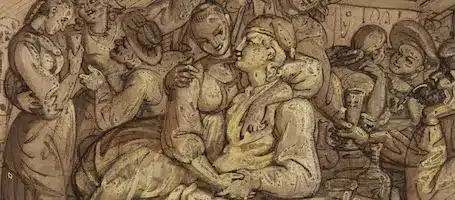
3. The Pathologization of Sex (The Policing of Bodies)
As Michel Foucault brilliantly demonstrated in his History of Sexuality, power no longer contented itself with prohibitions through law or sin: it seized scientifically upon the flesh to analyze, classify, and normalize it.
From Sin to Deviance: The priest yielded his place to the physician, the psychiatrist, and the criminologist. Marginal or non-reproductive sexuality was no longer merely condemned as a moral fault; it was medicalized and transformed into a « pathology » or « perversion » (such as homosexuality categorized as a disease, or female hysteria pathologized).
The Apparatus of Sexuality: The bourgeois state deployed a veritable « policing of bodies » through schools, asylums, prisons, and clinics, ensuring that every individual integrated into the heteronormative and productive norms demanded by the industrial order.
Pourquoi aimons-nous lire des histoires érotiques intenses ?
Parce qu'elles permettent de vivre des émotions fortes en toute liberté, loin des règles du quotidien.