
We thought we were banqueting away the old demons of the moral order, only to surrender the body all the more to the new accountants of the desire industry.”
Critiques of Contemporary Transformations of Intimacy
Introduction
The 20th century, marked by the shockwaves of psychoanalysis and the protest explosions of the 1960s, promised the total emancipation of bodies. This tenth chapter questions the ambivalent nature of this revolution: to what extent was the liberation of mores co-opted, channeled, and transformed into a new consumer imperative?
1. The Shockwave and the Dissociation of Procreation
After centuries of moral shackle and bourgeois repression, the mid-20th century, and more specifically the 1960s, provoked an anthropological earthquake.
Psychoanalysis and Freudian Liberation: The contributions of Sigmund Freud and his successors undermined the foundations of Christian and Victorian guilt by rehabilitating the centrality of libido in the psychic construction of the individual.
The Contraceptive Pill and Feminist Movements: The arrival of chemical contraception in the 1960s – 1970s achieved a major historical rupture by definitively dissociating the sexual act from its procreative purpose. The female body broke free from mandatory reproductive guardianship, and the protest explosions of May ’68 translated a global rejection of traditional moral authority (« It is forbidden to forbid »).
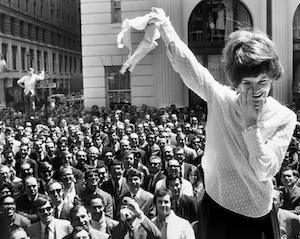
2. Commercial Co-optation and the New Imperative of Enjoyment
However, this liberation of bodies was soon integrated, digested, and redeployed by the capitalist system.
From Taboo to Injunction: The old moral prohibition was replaced by a reverse obligation: it became imperative to enjoy oneself, to consume sex, and to exhibit one’s sexual freedom. Consumer society seized upon eroticism to turn it into a formidable advertising and commercial engine.
The Commodification of the Liberated Body: The body was no longer controlled by ecclesiastical censorship or bourgeois police, but was instead swallowed up by the industry of desire. The liberation of mores thus morphed into a new form of alienation, where sexuality, stripped of its mystery and spiritual depth, was standardized, put on display, and subjected to market laws.
Pourquoi aimons-nous lire des histoires érotiques intenses ?
Parce qu'elles permettent de vivre des émotions fortes en toute liberté, loin des règles du quotidien.